 WIKI
WIKITeam formations: three cards, one bonus.
Team formations in Wiki Battle reward a deck whose cards belong together. Every duel uses three different cards from your collection, and when they share a category, a family or a story, every card gains attack, defense and sometimes health before the first round. This guide covers each bonus tier, the 11 named family and story decks with their real cards, the quickest ways to collect missing pieces, and how to play Attack, Guard and Feint once a formation is active.

How team formations work
Team formations in Wiki Battle are checked once, when a duel is created, and only the best available bonus applies. A complete family or story, meaning all three listed cards, adds 10% to attack, defense and health. Otherwise categories decide: three cards from one category add 6% to all three stats, while a pair adds 3% to attack and defense only. Three unrelated cards play as Mixed explorers with no bonus.
Bonuses never stack. Saturn, Titan and Enceladus are all Space cards, yet the deck receives the story’s 10% rather than 16%. A deck needs three different titles, so a second copy never counts twice. The percentage is applied to each card’s own stats and rounded before damage is calculated. Your opponent’s deck, including Archive Sentinel’s in AI practice, is evaluated the same way. Stats and bonuses freeze when the duel begins, and duels created under older rule versions keep their original rules.
All team formations: categories, families and stories
The 17 team formations in Wiki Battle start with 6 flexible category teams, where any of the 30 cards in a theme will do. The 11 named family and story decks are stricter: each asks for three specific cards. They are game groupings built on a real link between the subjects, not a claim that everything existed at the same time or place. A card can sit in several stories (Galileo Galilei belongs to A new view of the sky and Renaissance curiosity), but a deck completes only one at a time.


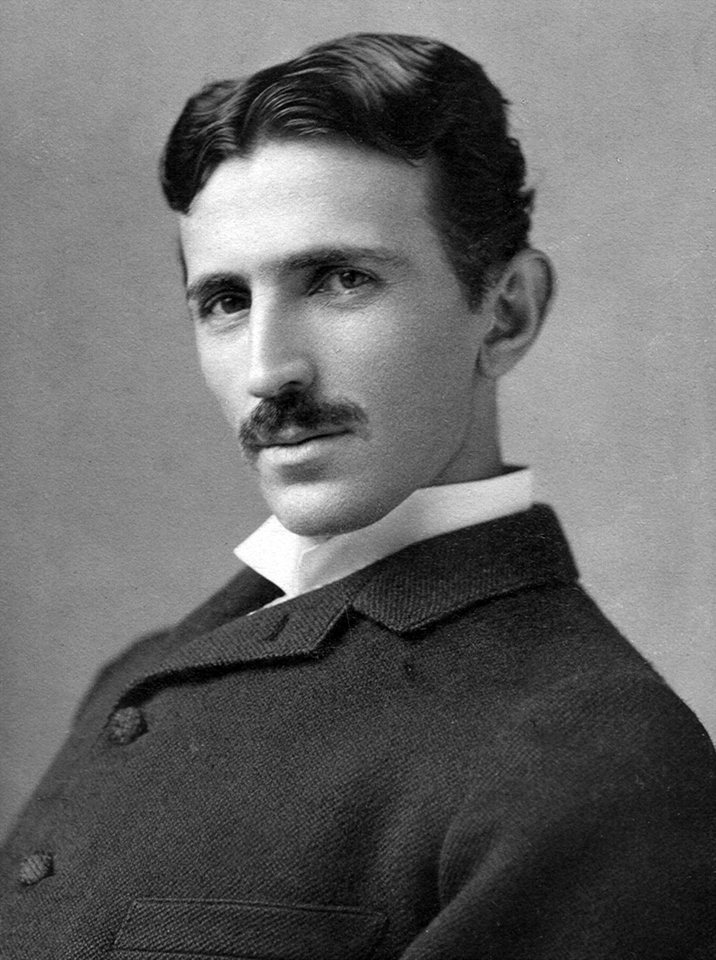
Human legacy
Choose any three different People cards.
30 eligible cards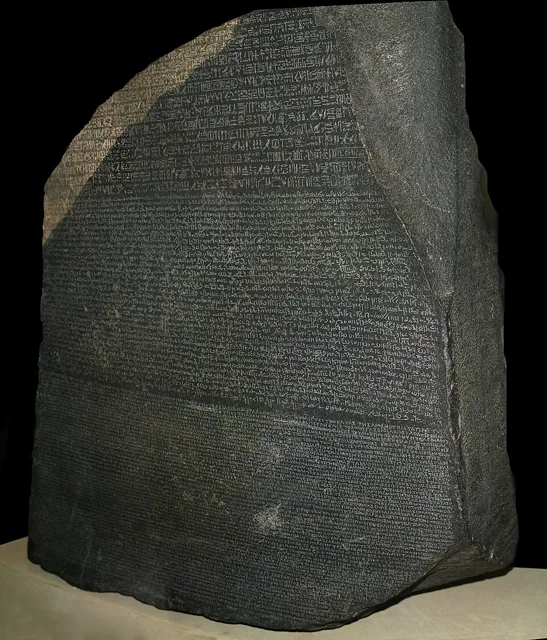
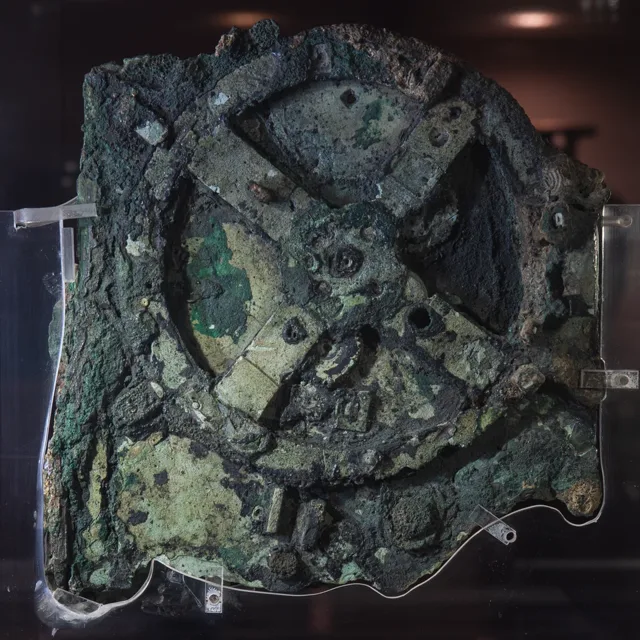
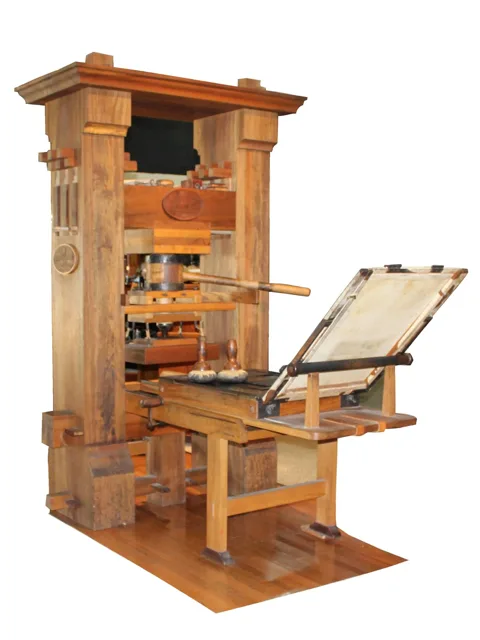
Ingenious inventions
Choose any three different Artifacts cards.
30 eligible cards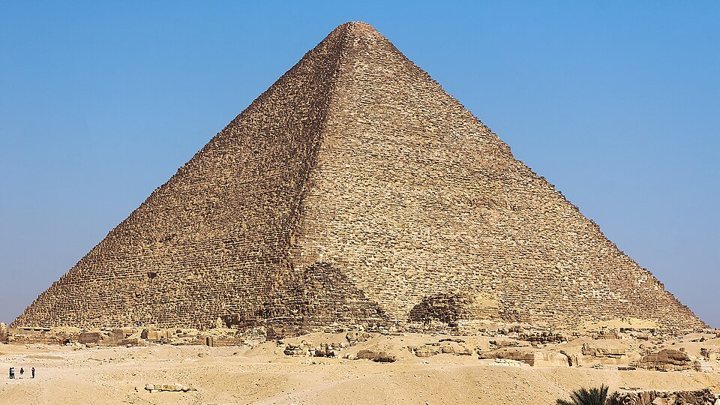

Built to endure
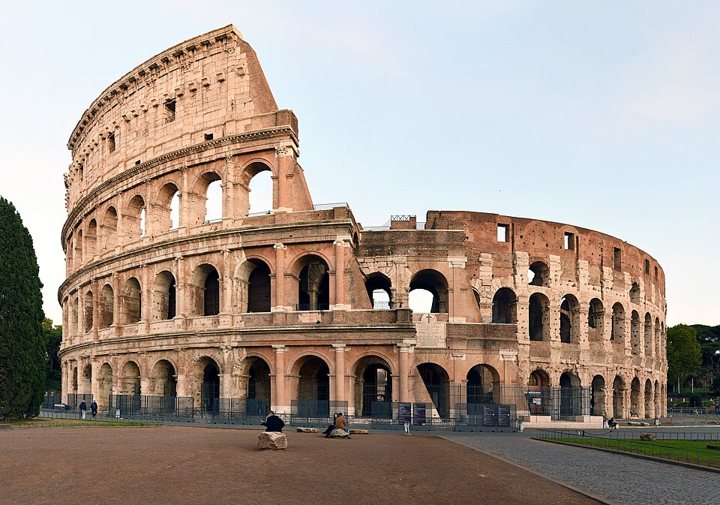
Choose any three different Landmarks cards.
30 eligible cards


Forces of nature
Choose any three different Nature cards.
30 eligible cards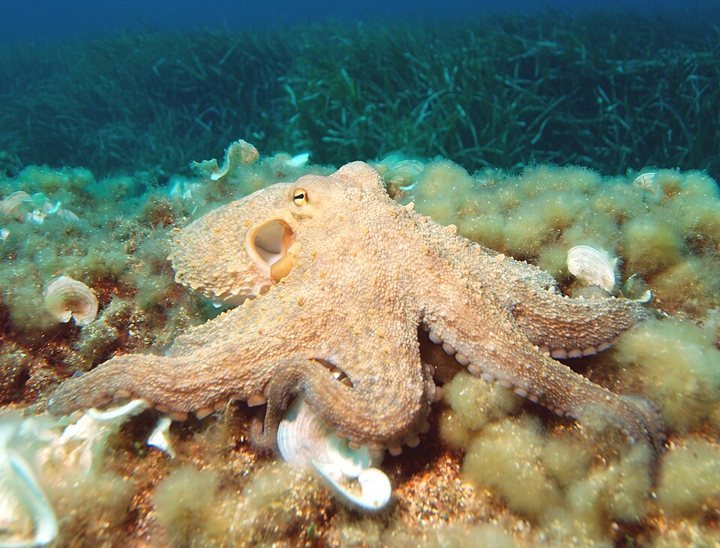

Wild world
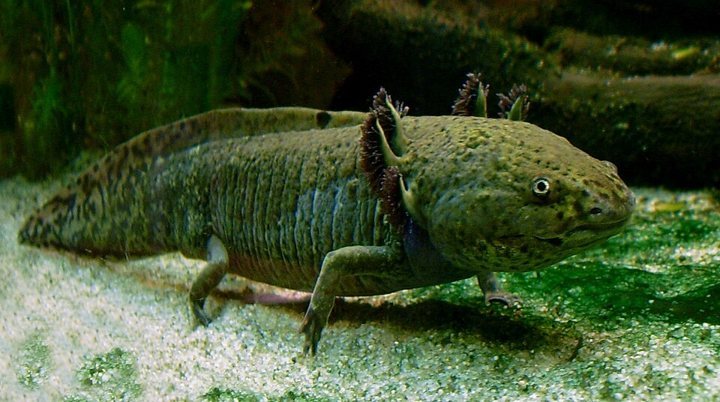
Choose any three different Wildlife cards.
30 eligible cards
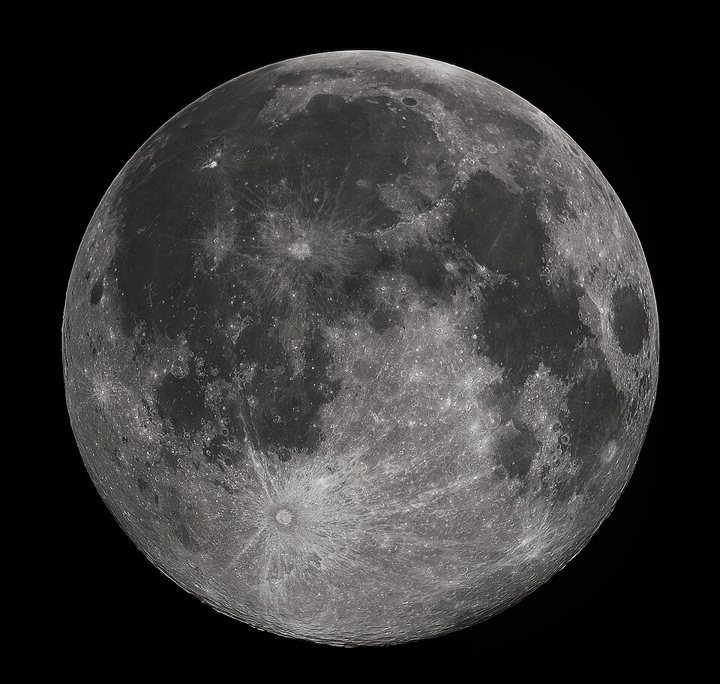
Cosmic companions
Choose any three different Space cards.
30 eligible cards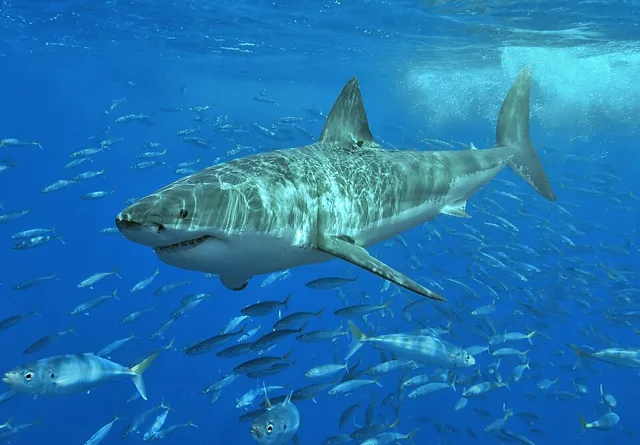
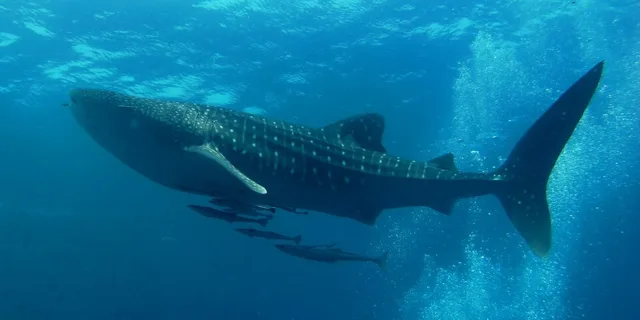
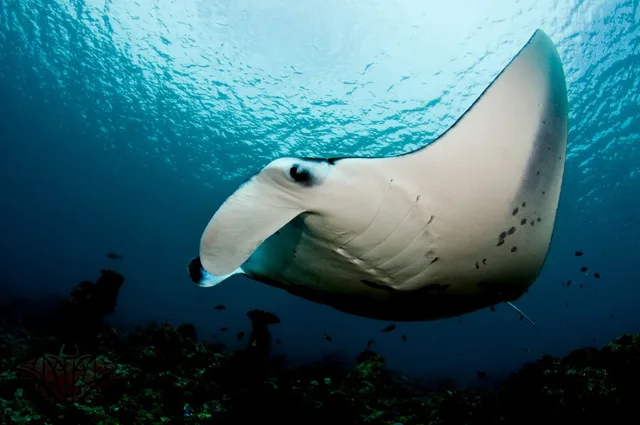
Fish formation
Two sharks and a ray: three cartilaginous fish. Whales are mammals and do not count toward this group.
Great white shark · Whale shark · Manta ray
A new view of the sky
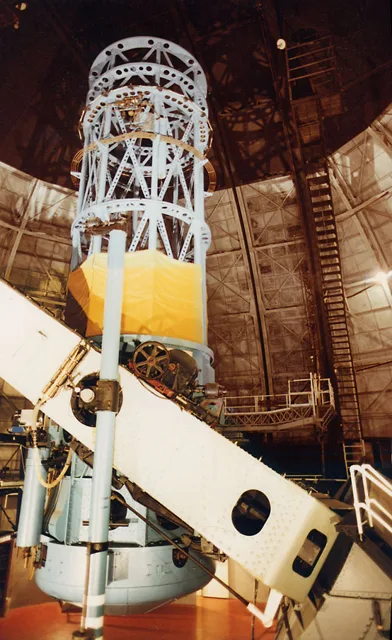
Galileo used a telescope to observe moons orbiting Jupiter.
Jupiter · Galileo Galilei · Telescope
Journey to the Moon
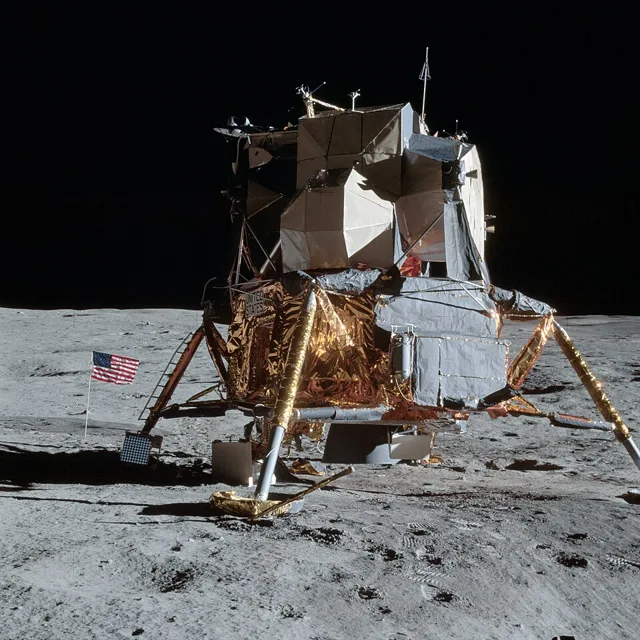
From Earth to the Moon, with the Apollo Lunar Module.
The Moon · Earth · Apollo Lunar Module


Exploring Mars
Mars and two robotic explorers of its surface.
Mars · Curiosity · Perseverance

The computing pioneers
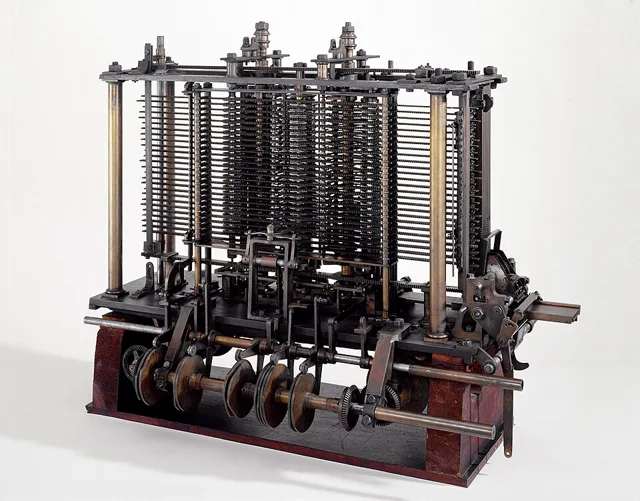
A themed collection connecting early programming, a mechanical computer design and computation theory.
Ada Lovelace · Alan Turing · Analytical engine
Along the Nile
A river, a monument and an inscription linked to Egypt across different eras.
Great Pyramid · Nile · Rosetta Stone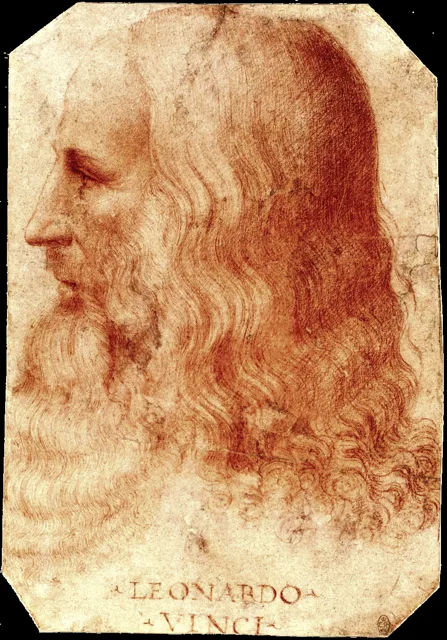

Renaissance curiosity
A themed collection of art and scientific curiosity spanning the Renaissance and its aftermath.
Leonardo da Vinci · Galileo Galilei · Mona Lisa
An artist’s night sky
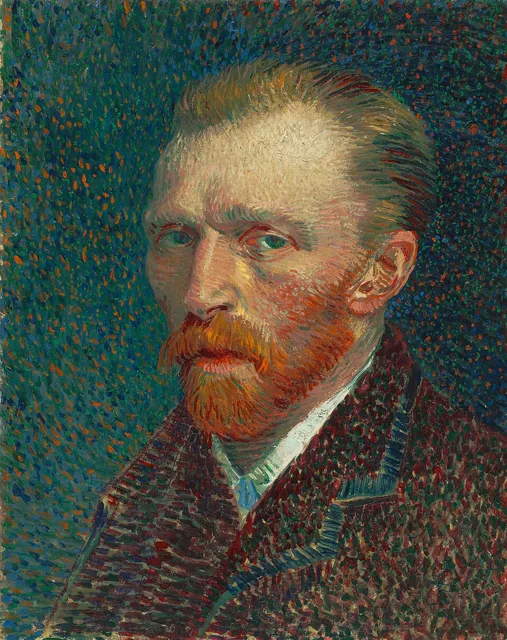
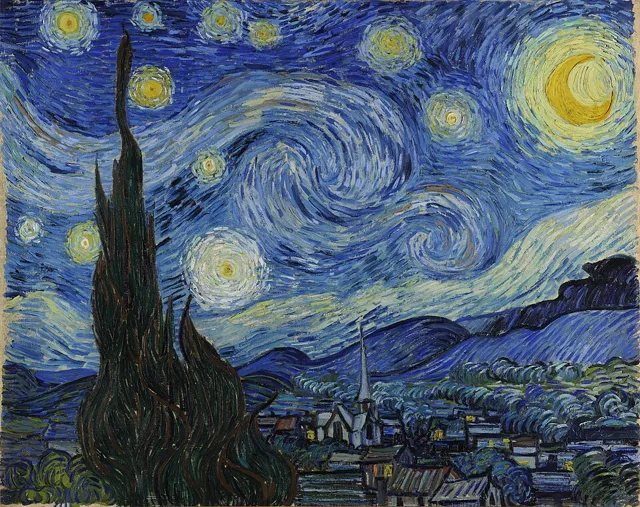
Van Gogh, his painting and a celestial companion: an imaginative art-and-sky collection.
Milky Way · Vincent van Gogh · The Starry Night

Saturn and its moons
Saturn with two of its natural satellites.
Saturn · Titan · Enceladus
Jupiter and its moons
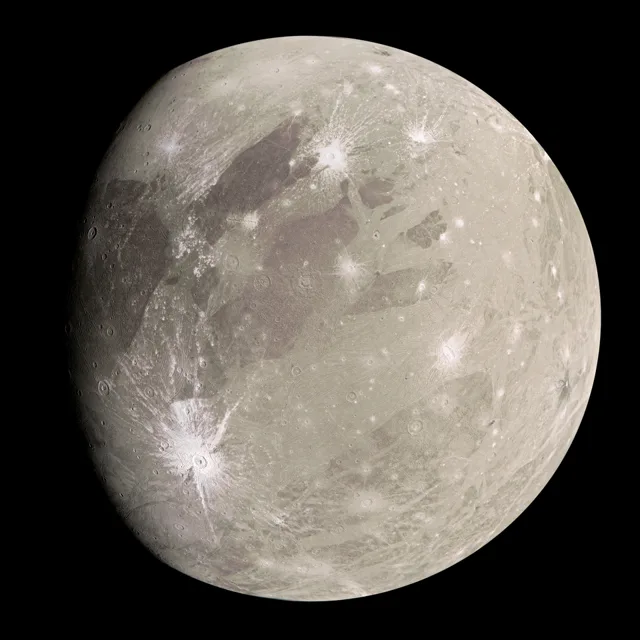
Jupiter with two of its Galilean moons.
Jupiter · Europa · Ganymede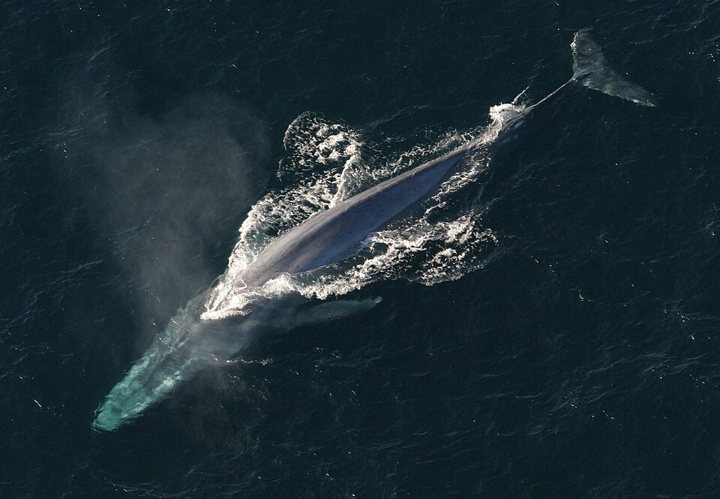
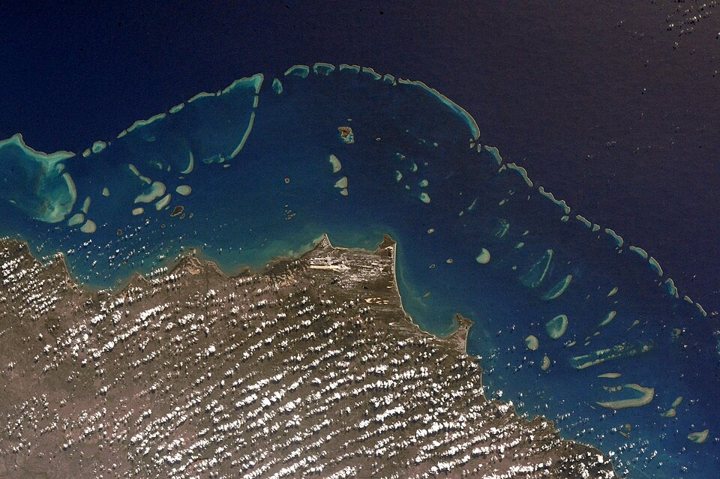
Ocean neighbours
A marine ecosystem and two ocean animals. A thematic collection, not a claim that they share one habitat.
Octopus · Blue Whale · Great Barrier ReefExample decks with real cards
These example team formations show what the bonus changes. A duel starts each player at 70% of the deck’s average health after the bonus, so the figures below are what the arena uses today.
Fish formation: a budget deck that punches up
Great white shark (R), Whale shark (UC) and Manta ray (C) are three cartilaginous fish, and none of them is rarer than Rare. With the family bonus the great white shark rises from 1,370 to 1,507 attack, higher than an unboosted Earth at 1,470, which is a Legendary card. Starting health climbs from 2,424 to 2,667. The blue whale is not part of this family: whales are mammals.
Saturn and its moons: all-in on Attack
Saturn (SSR), Titan (R) and Enceladus (C) complete a story, lifting starting health from 2,441 to 2,685. All three are Space cards, so each one gains the affinity bonus when it plays Attack. That is powerful but predictable: a rival who expects Attack can answer with Guard. Jupiter and its moons, built from Jupiter (SR), Europa (C) and Ganymede (UC), shares the same profile.
Journey to the Moon: two stances in one deck
Earth (L), The Moon (UC) and Apollo Lunar Module (C) reach 2,713 starting health with the story bonus. The two Space cards favour Attack, while the lunar module, an Artifacts card, favours Feint. Two favoured stances make your next move harder to read.
The computing pioneers: a Feint specialist
Ada Lovelace (R), Analytical engine (C) and Alan Turing (SSR) all come from categories that favour Feint. Feint beats Guard, so this lineup thrives against careful players. Renaissance curiosity follows the same pattern.
When two of a category is enough
If a story is still out of reach, a pair still helps. The Mona Lisa and the Rosetta Stone are both Artifacts cards, so pairing them with the Great Pyramid already earns +3% attack and defense. Once you own the Nile, swap it in for the Mona Lisa to complete Along the Nile and claim the full 10%.
How to complete team formations
Most team formations mix rarities, so patience and duplicates both matter. Every collector starts with 3 packs; then one free pack is added every 12 hours, with room for 2 in storage. Each pack holds five different cards and its fifth slot is always Rare or better. Earned coins buy an extra pack for 500 coins.
Spare copies are the fastest route to one specific card. In Fusion & crafting, Complete my collection exchanges same-rarity duplicates for a chosen card you are missing: a Common costs 4 spare Commons and a Legendary costs 10 spare Legendaries. Fusion turns five cards of one rarity into a card of the next tier, drawn from cards you do not own yet while any remain. You can also propose a card exchange with another collector, or bid with earned coins at auction, starting 24 hours after your first visit; sellers pay a 5% coin fee.
On the Battle screen, the Suggest a team button weighs each themed lineup you could field against your three strongest cards and selects whichever scores higher. Three saved deck slots keep favourite formations ready while you own their cards, and the formation panel shows the active bonus as you pick.
Attack, Guard and Feint strategy for team formations
Each round, both players pick an unused card and a stance in secret. Attack beats Feint, Feint beats Guard and Guard beats Attack. The winning stance deals 90% of its base damage and the losing one 40%. Matching stances deal 100% for Attack, 70% for Feint and 30% for Guard. Base damage is attack × 1,000 ÷ (1,000 + the rival card’s defense), so the attack bonus raises your damage directly and the defense bonus trims what you take.
Every category favours one stance and adds 10% damage when its card uses it: People and Artifacts favour Feint, Landmarks and Nature favour Guard, and Wildlife and Space favour Attack. That turns team formations into a reading game. A single-affinity deck earns the bonus every round but signals your plan; a mixed story such as Ocean neighbours (Great Barrier Reef, Octopus and Blue Whale) lets you switch stance without losing it.
Answer the round’s knowledge strike for another 20% when you are right; the question compares two articles by readers, sources or length. If nobody is knocked out after three rounds, remaining health decides the duel, and Guard against Guard barely moves the score, so the health bonus of a full formation matters most in tight, defensive games. Archive Sentinel plays its card’s favoured stance 40% of the time and answers correctly about 55% of the time, which makes AI practice a good test bench before you challenge a friend.
Team formations in Wiki Battle apply to new arena duels for players and AI opponents alike. Cards stay in your collection after every battle, and stats come from a fixed Wikipedia snapshot that is reviewed before each release.
Build your deck in the arena