 WIKI
WIKIWikipedia cards.
Find your next discovery.
180 Wikipedia cards in six themes, each built from a real English Wikipedia article. Search by name, or filter by category and rarity.
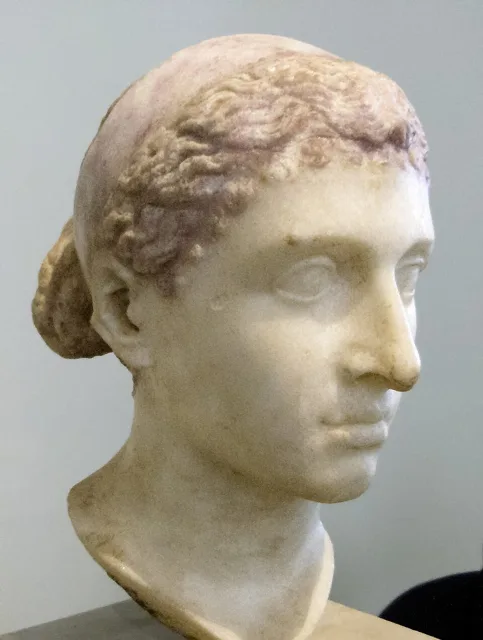 L
LCleopatra
1,520800
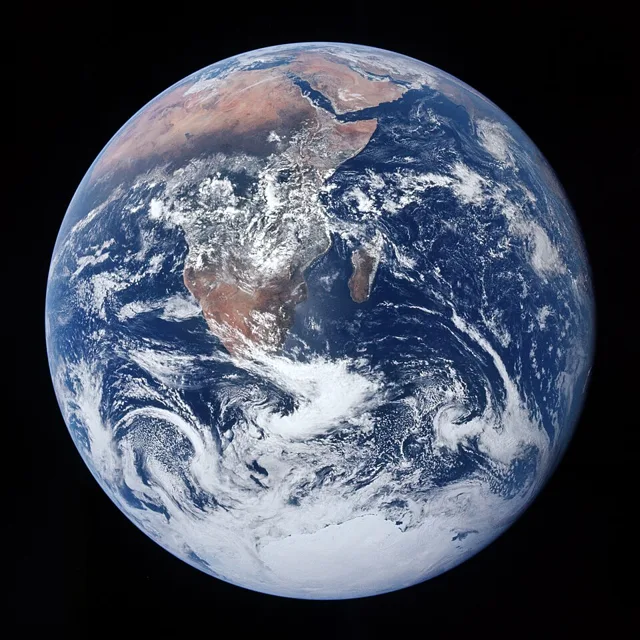 L
LEarth
1,470800
 L
LAlbert Einstein
1,480770
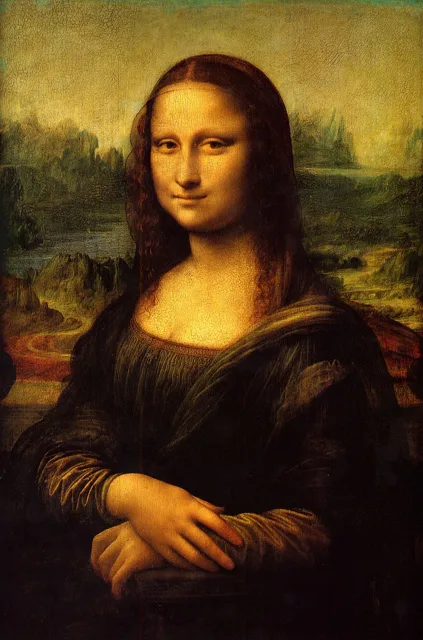 L
LMona Lisa
1,420680
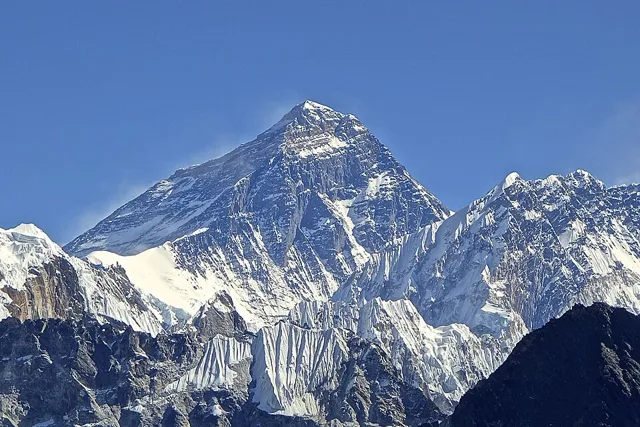 L
LMount Everest
1,440720
 L
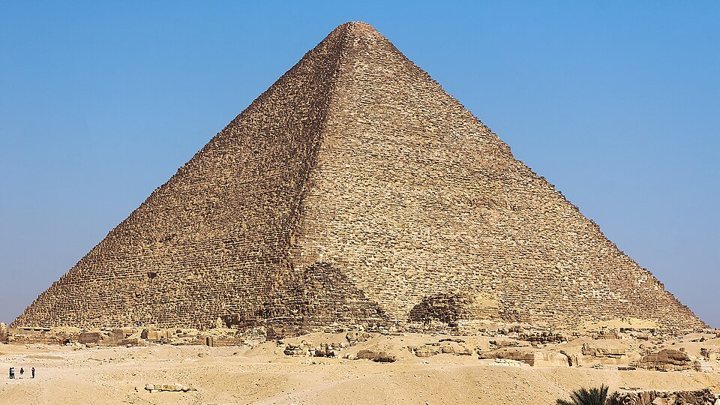
LGreat Pyramid
1,380700
 L
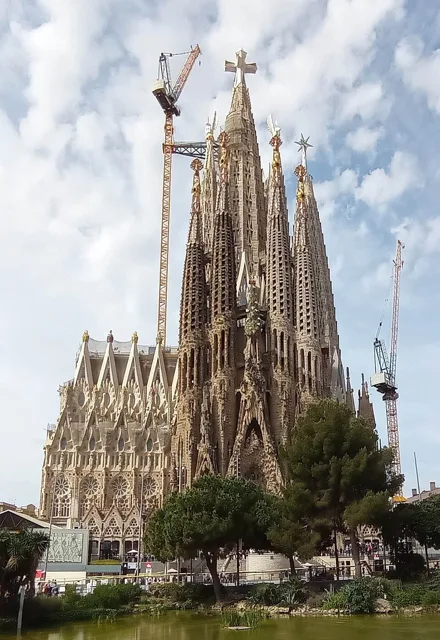
LSagrada Família
1,420630
 L
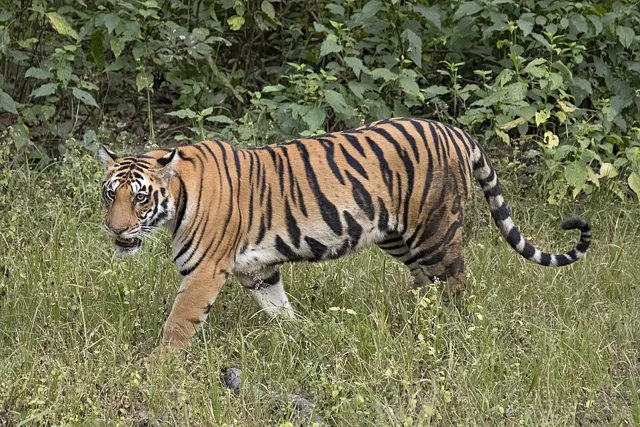
LTiger
1,400790
 SSR
SSRAlan Turing
1,440760
 SSR
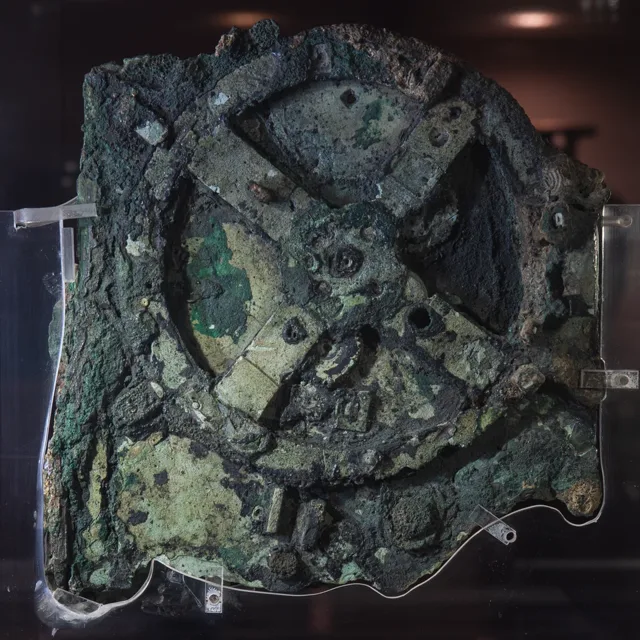
SSRAntikythera mechanism
1,380650
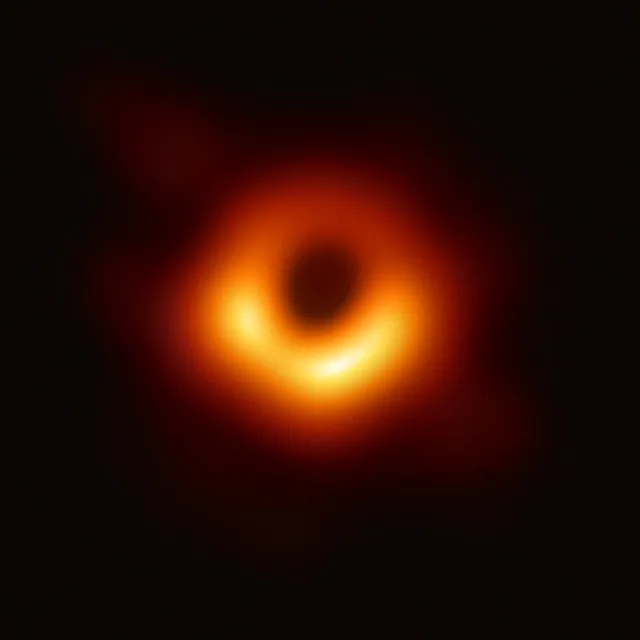 SSR
SSRBlack hole
1,450790
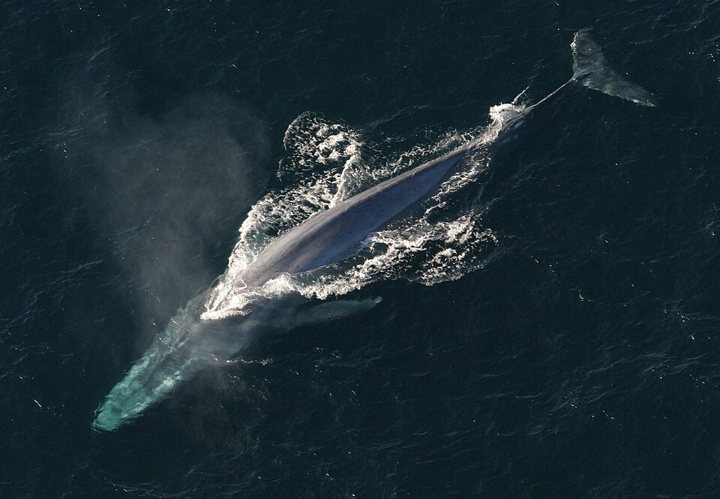 SSR
SSRBlue Whale
1,370760
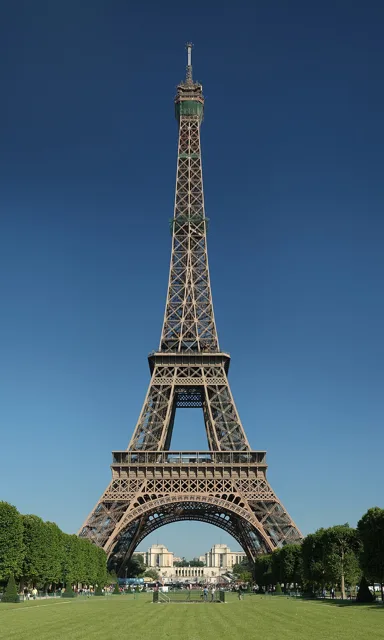 SSR
SSREiffel Tower
1,410650
 SSR
SSRGiant panda
1,390710
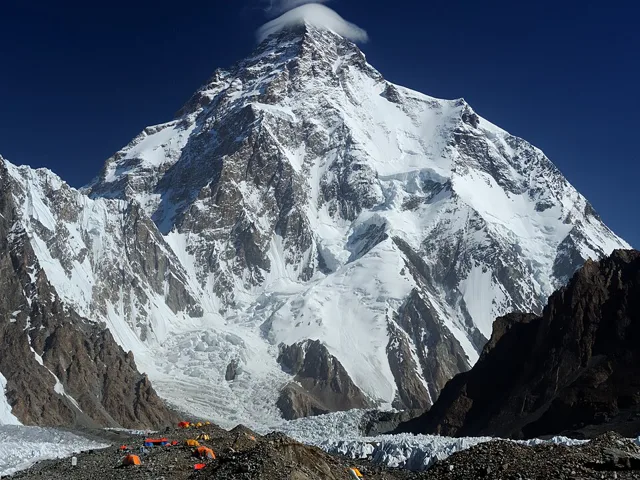 SSR
SSRK2
1,410650
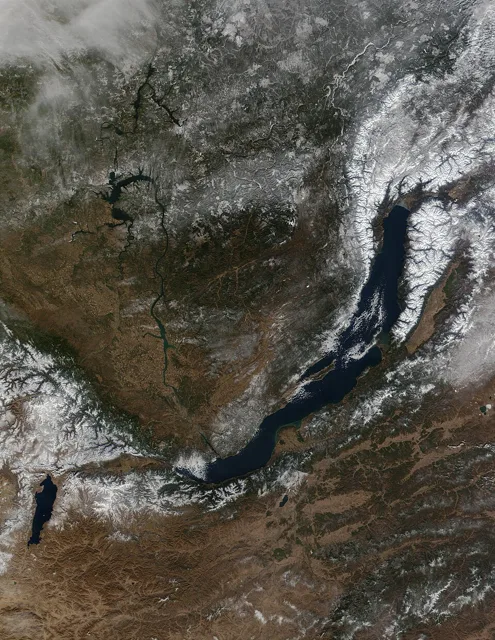 SSR
SSRLake Baikal
1,390660
 SSR
SSRLion
1,400790
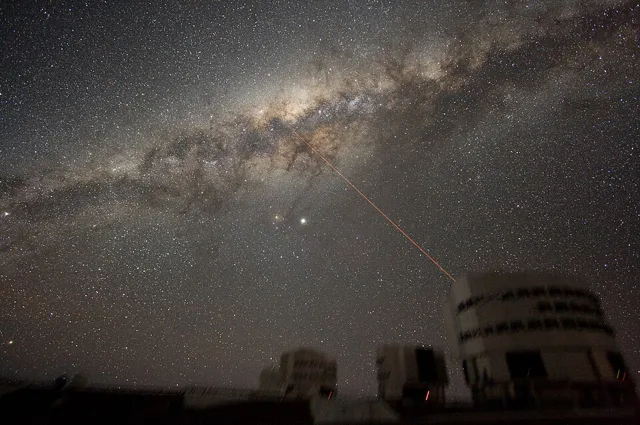 SSR
SSRMilky Way
1,400720
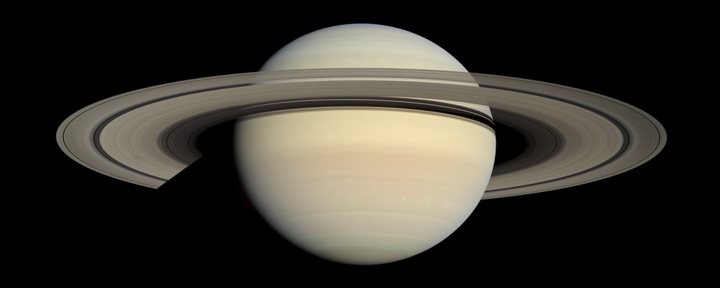 SSR
SSRSaturn
1,390760
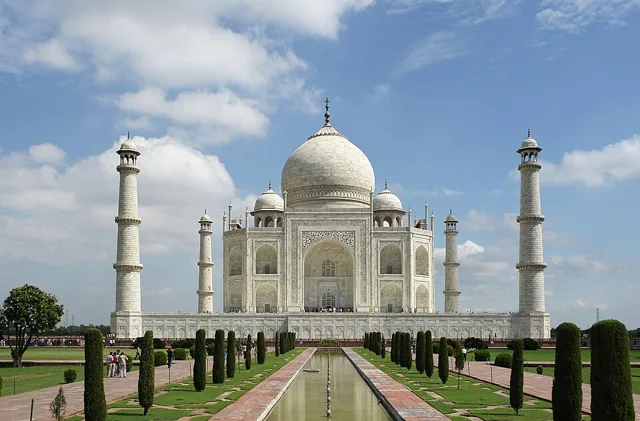 SSR
SSRTaj Mahal
1,410640
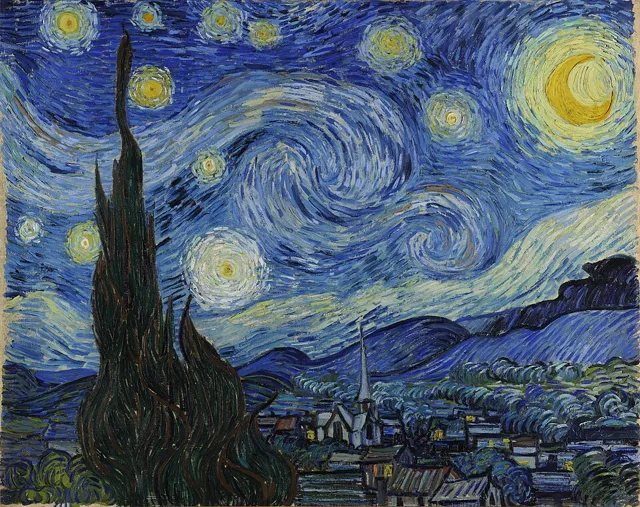 SSR
SSRThe Starry Night
1,390630
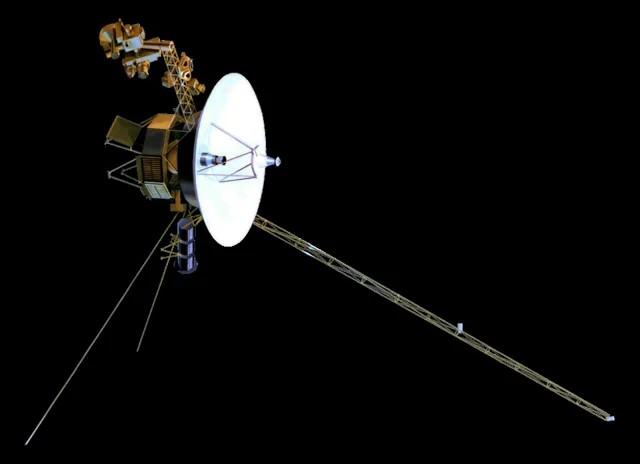 SSR
SSRVoyager 1
1,370700
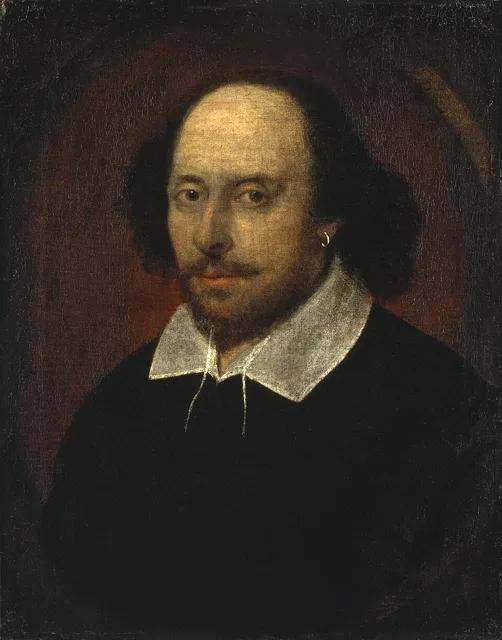 SSR
SSRWilliam Shakespeare
1,470800
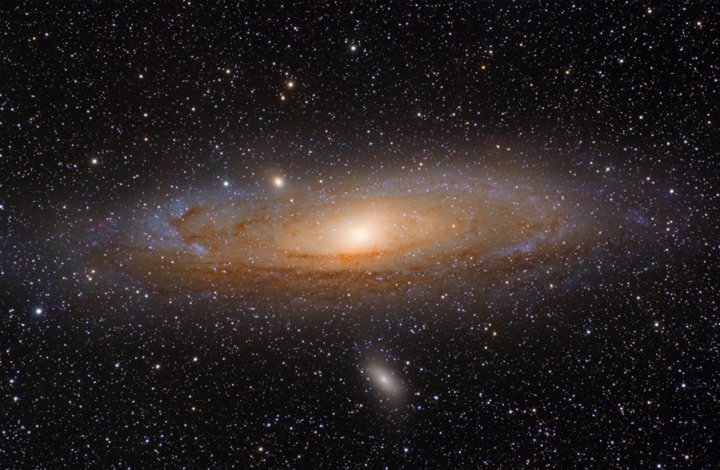 SR
SRAndromeda Galaxy
1,360720
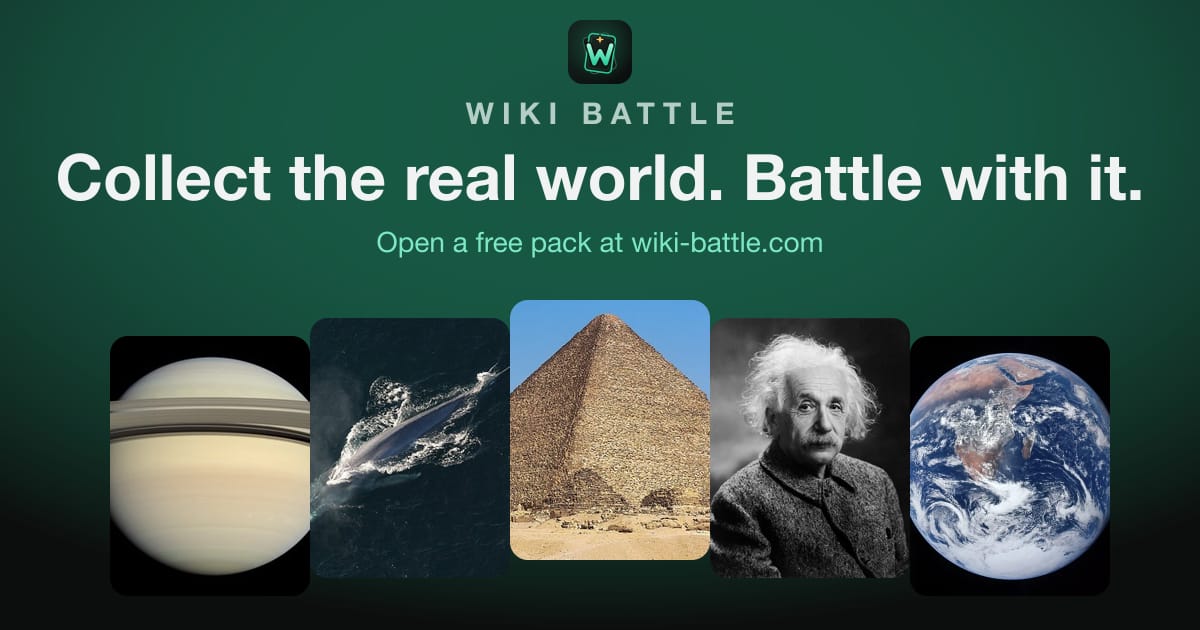
How the Wikipedia cards are chosen
Every card in the atlas stands for one English Wikipedia article. The collection is split into 6 themes of exactly 30 cards each, 180 in total. The game launched with 30 hand-picked subjects, from Saturn and the Great Pyramid to Ada Lovelace; the current Atlas edition added 150 more, including the whole Artifacts theme.
A subject only becomes a card when its data is complete: 90 consecutive days of page-view figures, at least 40 words of article prose, and a freely licensed photograph from Wikimedia Commons. The descriptions on the original Wikipedia cards were written for the game, while newer ones are shortened from the opening of the article under CC BY-SA 4.0. Each card page links to the exact article revision that was measured. This edition (wiki-2026-10-06-v1) counts views from July 9 to October 6, 2026, and its numbers stay fixed until a new edition is reviewed and released.
What the stats on Wikipedia cards mean
Three numbers sit on all Wikipedia cards, and each comes from a different property of the article. All three use logarithmic scaling with a cap, so a hugely popular page cannot run away with the game, and every value is rounded to the nearest ten.
- ATK · attack, 800 to 1,600
- Average daily page views over the 90 days, using Wikimedia’s user-traffic count rather than unique readers. The scale tops out at 50,000 views a day. Cleopatra leads this edition with 1,520 from about 17,929 daily views, while Geirangerfjord sits at 1,150 with about 115.
- DEF · defense, 200 to 800
- 80% comes from citation entries, deduplicated and capped at 300, and 20% from a quality marker: 1 for a Featured article, 0.75 for a Good article and 0.35 when neither applies. 50 cards come from Featured articles and 26 from Good articles. Cleopatra, with 612 citation entries, reaches 800.
- HP · health, 2,400 to 3,600
- Words of prose in the article body, leaving out tables, reference lists, navigation and captions, capped at 15,000 words. The longest article in the edition, International Space Station (17,969 words), scores 3,600.
Across this edition ATK runs from 1,150 to 1,520, DEF from 240 to 800 and HP from 2,930 to 3,600. In a duel, base damage equals ATK × 1,000 ÷ (1,000 + the defending card’s DEF), and starting health is 70% of the deck’s average HP. Rarity, serials and finishes never multiply these stats. Citations show how well an article is documented, not whether it is true, and no number is a verdict on a person, animal or place.
What each card page shows
Open any of the Wikipedia cards above for its full page. Alongside the artwork and short description you will find the raw measurements behind each stat (90-day views, citation entries and article words), a link to the measured revision, the formations the card belongs to, and the creator and license of its image. If something looks wrong, the report form on that page sends it to the Wiki Battle team for review; it never edits Wikipedia itself.
Rarities from Common to Legendary
Rarity tells you how often Wikipedia cards turn up in packs, not how strong they are. The launch cards kept the rarity they were released with. Newer cards were ranked by 90-day page views inside their own theme, and the most-read received the higher tiers. Rarity never changes after release.
| Rarity | Cards | Examples |
|---|---|---|
| L · Legendary | 8 | Great Pyramid, Albert Einstein, Earth |
| SSR · Ultra Rare | 15 | Saturn, Blue Whale, Milky Way |
| SR · Super Rare | 27 | Jupiter, Andromeda Galaxy, Axolotl |
| R · Rare | 41 | Mars, The Sun, Octopus |
| UC · Uncommon | 41 | The Moon, Emperor Penguin, Stonehenge |
| C · Common | 48 | Monarch Butterfly, Charles Darwin, Giant Sequoia |
In slots one to four, a Common appears 50% of the time and a Legendary just 0.1%; the featured fifth slot is always Rare or better and lands a Legendary 0.5% of the time. Pity guarantees an SSR or Legendary within 10 packs and a Legendary within 60. The full per-slot table is in the rules guide.
Six themes of Wikipedia cards
Each theme holds 30 cards and favours one stance in battle, adding 10% damage when one of its cards plays that stance. Two or three cards from one theme also unlock a formation bonus.
- People · Feint: scientists, philosophers, writers, artists, composers and rulers, such as Albert Einstein, Cleopatra, Alan Turing and William Shakespeare.
- Artifacts · Feint: scientific instruments, machines, spacecraft and famous artworks, such as Mona Lisa, Antikythera mechanism, Voyager 1 and The Starry Night.
- Landmarks · Guard: temples, castles, towers and ancient monuments around the world, such as Great Pyramid, Sagrada Família, Taj Mahal and Eiffel Tower.
- Nature · Guard: mountains, waterfalls, rivers, deserts and natural phenomena, such as Mount Everest, K2, Lake Baikal and Great Barrier Reef.
- Wildlife · Attack: mammals, birds, sharks, rays and reptiles, such as Tiger, Blue Whale, Lion and Giant panda.
- Space · Attack: planets, moons, stars, nebulae, galaxies and a space station, such as Earth, Saturn, Milky Way and Black hole.
Registry serials and mutations
Your Wikipedia cards can also become one-of-a-kind copies. From Rare upward, every copy obtained from a pack, fusion or crafting enters the Atlas Registry with a serial number for that card, its first owner and its trading history; the first 100 serials of each card are First Edition. Every card from those sources can also roll a mutation (Prism, Inverted, Gilded, Misprint) with a combined 3% chance, and a mutated copy is registered whatever its rarity. Serials and mutations are purely collectible: they can be swapped or auctioned for earned coins, never change stats and have no cash value. The registry rules list each mutation’s odds.
How to collect all 180 Wikipedia cards
Free packs are the backbone. You start with 3, and another arrives every 12 hours, with up to 2 waiting. Earned coins add more, since 500 coins buy a pack, and the daily quiz, missions, battles and the Atlas Pass all pay coins. A pack never repeats a card, so each one can fill up to five gaps.
Duplicates are the second engine. Five-card fusion converts five same-rarity copies into one card from the tier above, picked from the ones you are missing, and Complete my collection crafts a specific missing card from 4 to 10 same-rarity duplicates. Swaps with other collectors and coin auctions cover the rest. Achievements reward 25, 50, 100 and 150 unique cards with extra packs, and owning all 180 earns 1,000 coins and the World Explorer title. Open any card to see its raw measurements, or read how to play Wiki Battle before your first duel.
Card stats are game abstractions from a fixed Wikipedia data snapshot. Each card links to its article revision and measured data. Read the rules · Image credits and sources